Cesarean
Cesarean Delivery (C-Section): A Complete Guide for Expecting Mothers
What is a Cesarean Delivery?
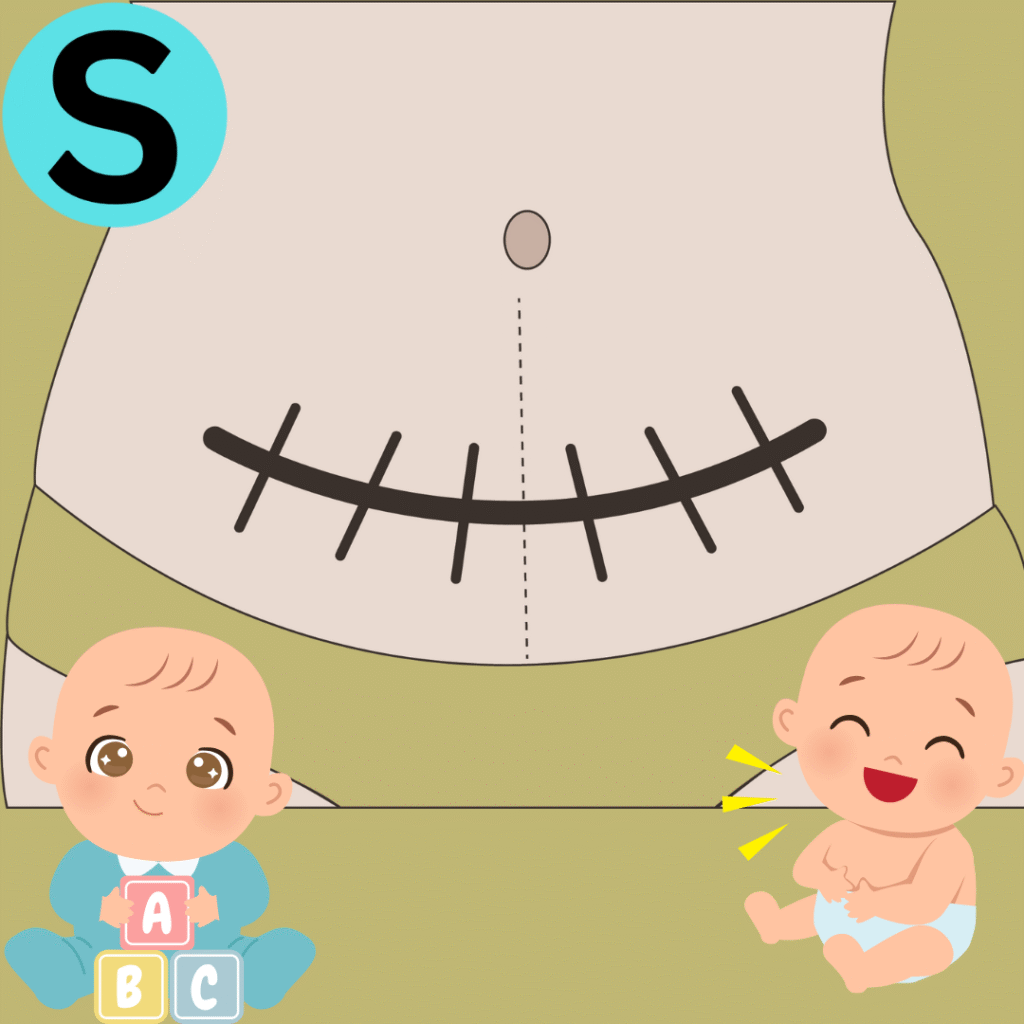
A cesarean delivery, commonly known as a C-section, is a surgical method of childbirth in which the baby is delivered through carefully made cuts in the mother’s abdomen and uterus. This procedure is chosen when a vaginal birth may not be safe for the mother or the baby.
C-sections may be planned ahead of time or performed urgently if complications develop during labor.
Why Might a C-Section Be Needed?
There are several situations where a cesarean delivery becomes the safer option:
Maternal Reasons
- Previous uterine surgery or prior C-section (in certain cases)
- High blood pressure disorders during pregnancy
- Placenta covering the cervix (placenta previa)
- Failure of labor to progress
Baby-Related Reasons
- Baby is not in head-down position (breech or transverse)
- Signs that the baby is under stress during labor
- Very large baby
- Multiple babies (twins or more)
Emergency Conditions
- Sudden complications during labor
- Umbilical cord problems
- Sharp drop in fetal heart rate
Types of Cesarean Delivery
Planned Cesarean
Scheduled before labor begins due to known medical reasons.
Emergency Cesarean
Performed when unexpected complications arise during labor.
What Happens During the Procedure?
- Anesthesia is given, usually spinal or epidural, so the mother stays awake but does not feel pain.
- A small horizontal incision is made in the lower abdomen.
- The baby is gently delivered through the uterus.
- The placenta is removed.
- The surgical cuts are carefully closed with stitches.
The entire process usually takes less than an hour.
Recovery After a C-Section
Healing after a cesarean takes more time compared to a vaginal delivery.
In the Hospital
- Stay is typically around 3–5 days
- Pain and discomfort at the incision site are common
- Movement is encouraged gradually
At Home
- Keep the wound clean and dry
- Avoid lifting heavy objects
- Take medications as prescribed
- Eat nutritious food to support healing
- Start light walking as advised
Most women recover within 4 to 6 weeks.
Possible Risks
Like any surgery, a C-section has some risks.
For the Mother
- Infection at the incision site
- Increased blood loss
- Formation of blood clots
- Longer healing period
For the Baby
- Temporary breathing difficulties
- Rare chance of minor injury during surgery
Benefits of Cesarean Delivery
- Can prevent serious complications during difficult labor
- Safer in high-risk pregnancies
- Allows planned delivery in certain medical conditions
Limitations to Consider
- Recovery takes longer than normal delivery
- Surgical risks are present
- May affect future pregnancies
- Higher cost compared to vaginal delivery
Is Normal Delivery Possible After a C-Section?
Many women can have a normal delivery after a previous cesarean, known as VBAC (Vaginal Birth After Cesarean). However, it depends on individual medical factors and should always be discussed with your doctor.
When Should You Seek Medical Advice After Surgery?
Contact your doctor immediately if you notice:
- Fever or chills
- Heavy bleeding
- Increasing pain around the wound
- Discharge or redness at the incision site
- Difficulty breathing or chest pain
What is Cesarean ?
A cesarean delivery is a common and safe surgical procedure when medically required. The decision to perform a C-section is always made with the well-being of both mother and baby in mind. With proper care and guidance, recovery is smooth and outcomes are generally very positive.